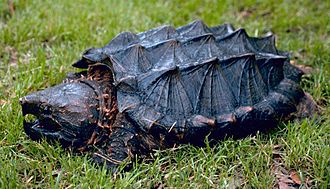
A widespread Western pit viper. Like all rattlesnakes, they play a critical ecological role controlling rodent populations — and they're NOT aggressive. Most bites occur when people deliberately try to handle, kill, or photograph them.
§ Quick facts
§ Encyclopedia
Crotalus oreganus, commonly known as the Western rattlesnake or northern Pacific rattlesnake, is a venomous pit viper species found in western North America from the Baja California Peninsula to the southern interior of British Columbia.
Source: Wikipedia — Crotalus oreganus Licensed under CC BY-SA 4.0
§ Identification
Field marks. Medium-large rattlesnake with greenish-gray to brown background; dark oval or diamond-shaped blotches with pale borders; pale tail with dark crossbands; rattle at tail tip.
Similar species. Eastern and Western Diamondback Rattlesnakes (clearer diamond pattern). Massasauga (smaller, smaller rattle). Pygmy Rattlesnake (much smaller).
Voice. Loud sustained rattling buzz as defensive warning.
§ Diet & behavior
Diet. Small mammals (ground squirrels, rabbits, mice, rats), prairie dogs, small birds, lizards. Ambush hunter.
Behavior. Most widely-distributed rattlesnake in North America. Lives in burrows of prairie dogs, ground squirrels, and other rodents; uses these for hibernation aggregations of dozens to hundreds of individuals from multiple species. Venom is hemotoxic — destroys tissue and disrupts blood clotting. Bites are medically serious; antivenom available and effective when administered promptly. Generally tolerant of human presence; rarely strikes without significant provocation.
§ Range
Western US from Washington to California, east to Idaho
§ Habitat
Rocky slopes, sagebrush, grassland, oak woodland
§ Threats
Persecution, road mortality, "rattlesnake roundups" in some states, habitat loss.
§ Conservation status
According to the IUCN Red List, the western rattlesnake (northern pacific) is currently classified as Least Concern.
§ What helps
Walk away — rattlesnakes WANT distance. Don't kill snakes. Support science-based snake management.
§ Further reading
- Wikipedia — Crotalus oreganus
- www.nwf.org — authoritative profile of Crotalus oreganus
- IUCN Red List · taxon 64323
- iNaturalist · taxon 30750
- GBIF occurrence records
- Encyclopedia of Life — Crotalus oreganus
§ Sources cited
- Western Rattlesnake Conservation Project
- Arizona Game and Fish Department
- The Orianne Society
- IUCN Red List 2007